

Since 2000, tourism in Russia has developed at an astonishing pace. Today it is as safe, easy-to-get-to and interesting as any of its European neighbours. Yet, despite its appeal, the biggest country on earth remains a bit of a secret destination. Travellers who take the road less travelled to Russia will be rewarded with a diverse and sophisticated Eurasian culture, some of the planet’s most spectacular natural wonders and more than twenty UNESCO world heritage sites. The lack of crowds and favourable exchange rate is just the cherry on top of Russia’s many attractions that make it a dream destination.
Why visit Russia?
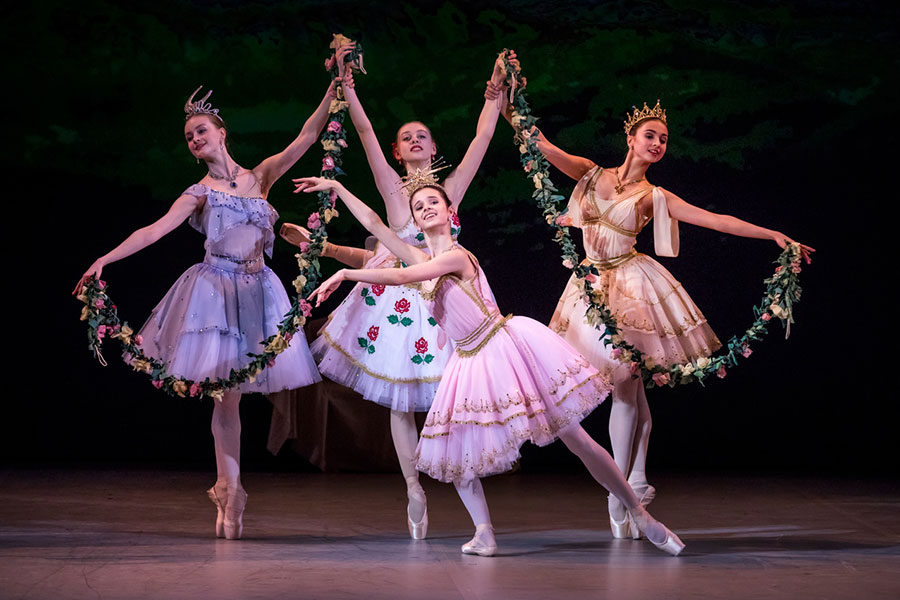
Culture: Neither European nor Asian, Russia’s geography has resulted in a unique culture. Marvel at the elegance of Russia’s ballerinas, try your hand at rustic Slavic crafts and sip piping hot tea from a samovar while on our Russian culture tours.
Adventure: If you long to step where no man has stepped before, our Russian adventure tours are for you. Whether you dream of conquering Europe’s highest peak, sailing down its longest river or chugging down its longest rail route, we have a tour that can make that dream come true.
People: From the Cossacks to the Yakut reindeer herders, Russia is an incredibly diverse nation. Our ethnic tours take you to the countryside where ancient traditions still live on.
Winter: There is nothing quite like Russia in winter. Troika rides, ice-sculpture excursions and vatrushka (traditional Russian sleds) rentals can all be included in our tours.
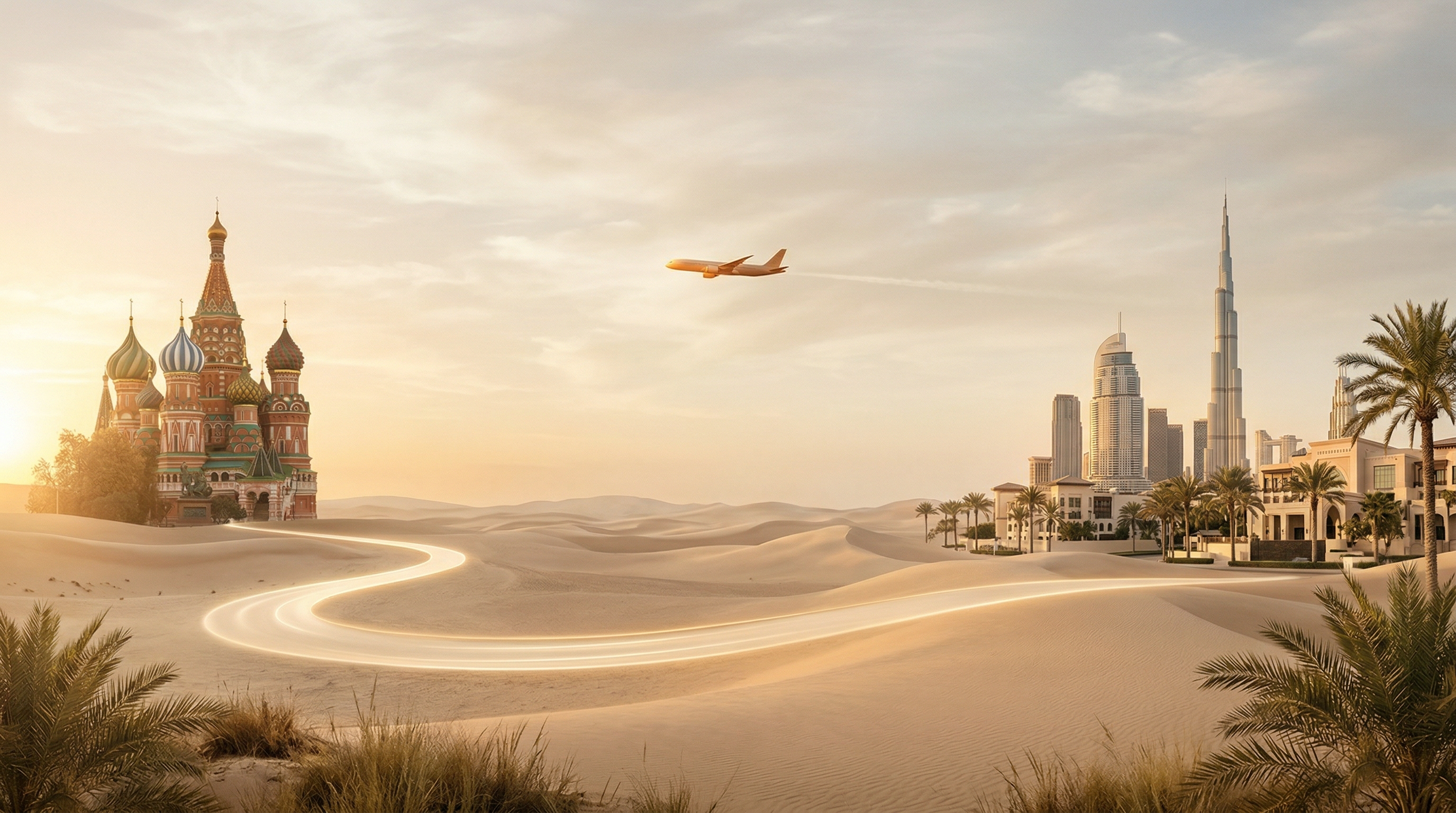
Cultural Tourism in Russia
Since Russia became a nation 500 years ago, its culture has always been distinct from that of its neighbours. The differences started with the first wooden banyas. Slavs washed weekly, while non-Slavs barely washed at all. Historians conjecture whether it was their superior cleanliness that gave the Slavs their holier-than-thou attitude which led to them spurning the Pope and adopting the Orthodox Church. Either way, Russian history took on a completely different trajectory to other European nations resulting in a fascinating culture.
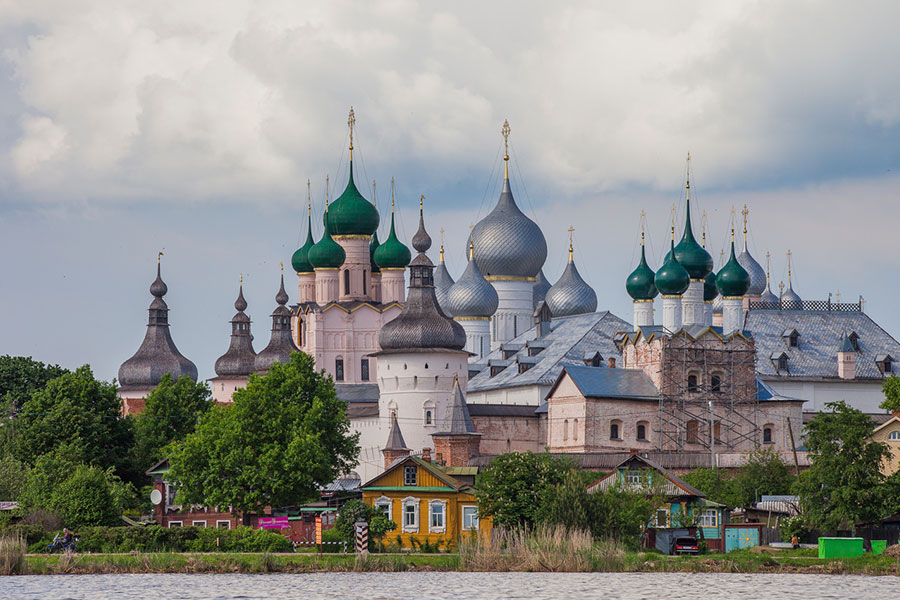
Despite the Soviet Union’s best attempts, Slavic culture and ancient traditions still live on in the countryside. In izbas (log houses) clustered throughout Russia’s forests, visitors can watch and learn how craftsmen continue the tradition of producing Russia’s iconic artworks such as matryoshka and khokhloma. Churches and monasteries with walls steeped with the scent of incense and centuries of history are places of both beauty and profound cultural significance. On the Asian side of the Ural mountains, lines of bright cloths flutter in front of Buddhist temples and smoke wafts from shaman huts deep in the forests of Siberia.
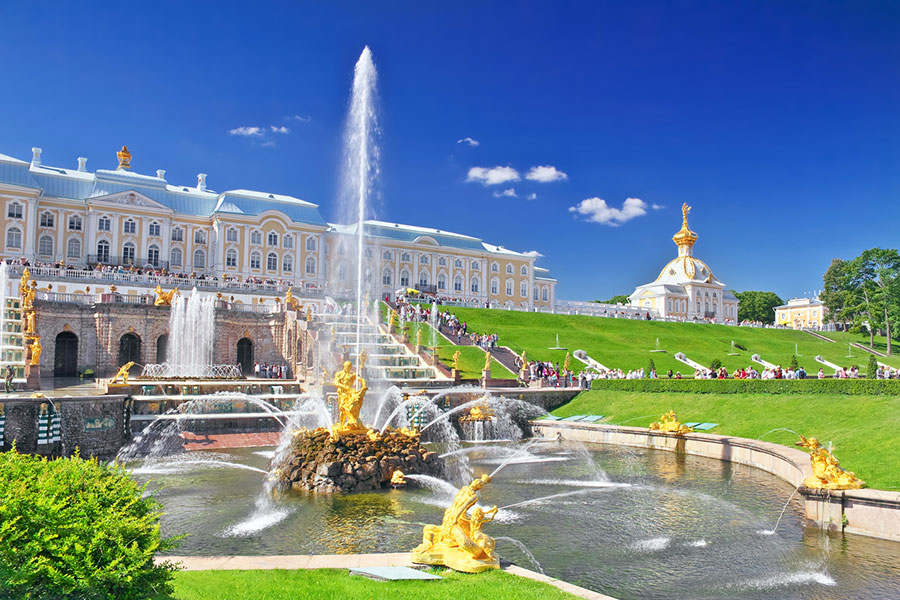
Russian cities are also great bastions of culture. The relics of tsarist times—the extravagant architecture and sophisticated art—form an indelible part of the cityscape as well as the locals’ own personal identity. The imperial influence is most apparent in St Petersburg, where classical art forms, like ballet, are part of popular-culture and the canals are still lined from end-to-end with pompous palaces.
The lack of skyscrapers in St Petersburg fools many tourists into thinking that it’s older than Moscow when, in fact, Moscow is its elder by more than 600 years. Despite its slick veneer of ultra-modern design, Russia’s capital truly is historic and offers a glimpse into Russia’s more medieval and brutish past. Fearsome fortresses, like the famous Kremlin, impressive armouries and castles built by the likes of Ivan the Terrible provide a stark contrast to the megalithic Soviet structures and some of Europe’s glitziest high rises.